
About UsPatient CareHeart information CenterEducationResearchSupport Us
Stem Cell Center
 
  Back to previous page
  En español


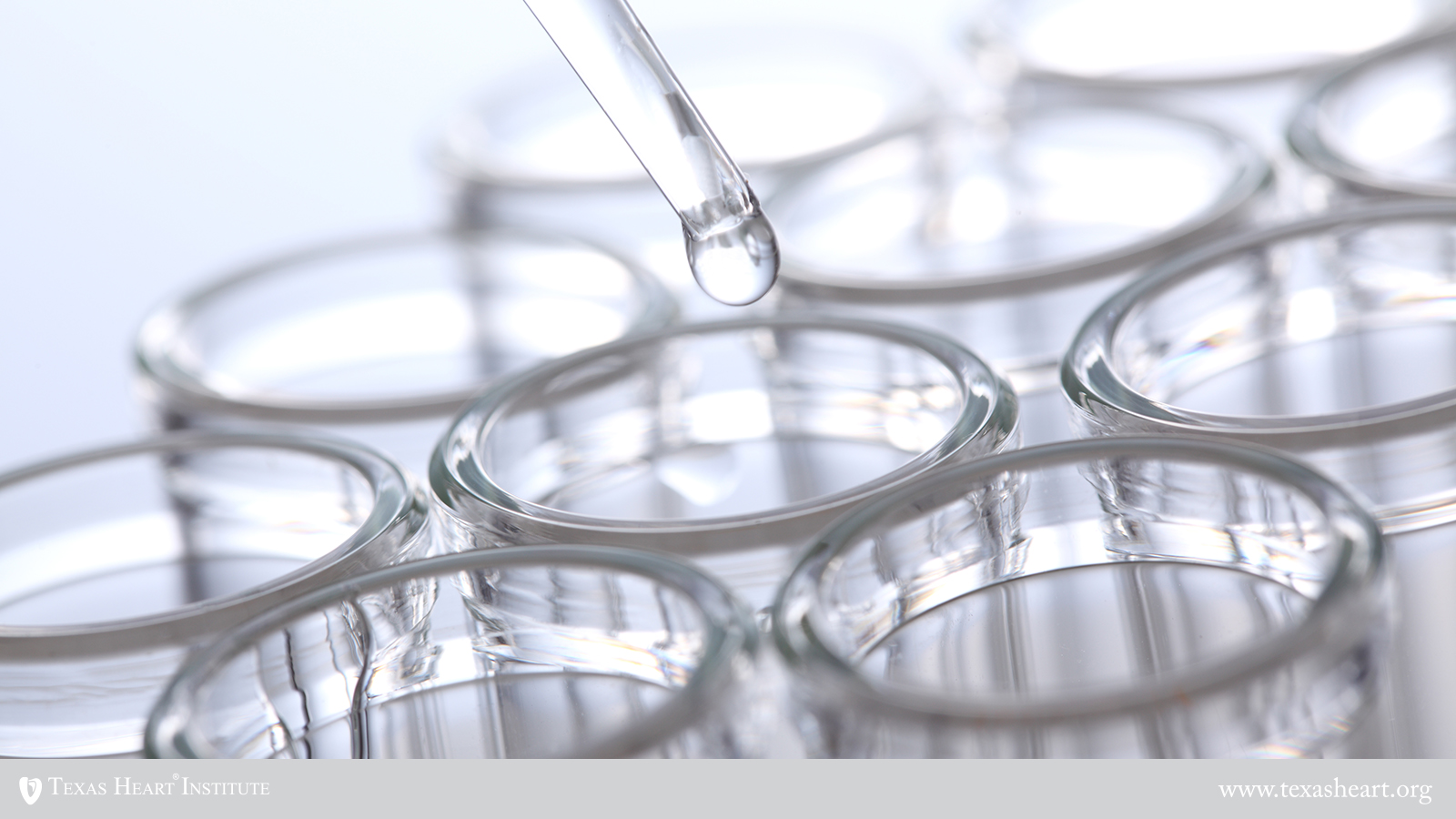
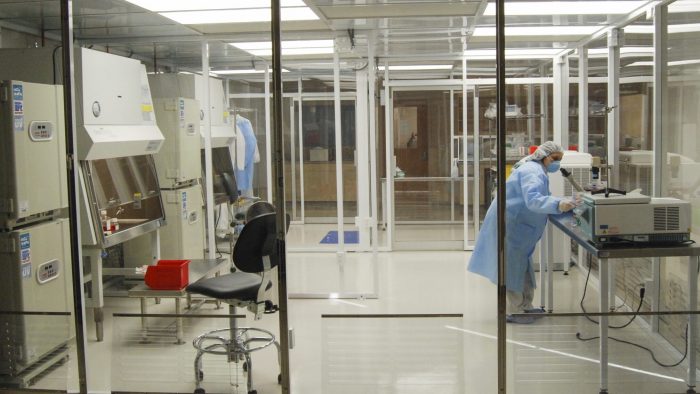
View a video about stem cell research at Texas Heart Institute.

Stem Cell FAQ
| Share
Stem Cell

What are stem cells?

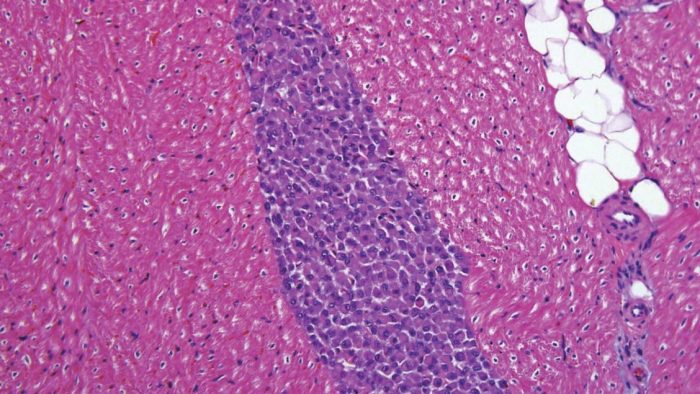
Stem cells are unspecialized cells that have the amazing potential to develop into many different cell types in the body. Serving as a sort of repair system for the body, they can potentially divide without limit to replenish other cells that have been damaged. When a stem cell divides, each new cell has the potential to either remain a stem cell or become another type of cell with a more specialized function, such as a muscle cell, a red blood cell, or a heart cell.

Where can one find stem cells?

Stem cells can be found in many tissues in the body such as bone marrow, fat, blood, and other organs like the heart. More immature stem cells can be found in the embryo, as well as the blood found in the umbilical cord of a newborn baby. The Stem Cell Center only uses adult stem cells in its research.

Do you conduct research using embryonic stem cells? 

No. Embryonic stem cells are not used in our research.

What diseases do stem cells treat?

Stem cells, depending on where they come from, have been studied as a possible treatment strategy in numerous diseases such as diabetes, Parkinson’s disease, burns, spinal cord injury, and more specifically heart disease. 

Recently, numerous studies have shown the potential benefit of implanting stem cells into the heart. The treatment of heart disease is the focus of the Stem Cell Center at the Texas Heart Institute. (Stem cell therapy is an investigational therapy and therefore no definitive claim can be made on the benefit for any single disease.)

Picture of a NOGA TM Myostar catheter  Picture of a Myostar™ Injection 
  Catheter currently used in IND 
  (Investigational Device) studies.

Drawing of a NOGA TM Myostar catheter injecting stem cells into the heart.

Drawing of catheter injecting
stem cells into the heart.

How do stem cells work?

It is not clear how stem cells work exactly. They may differentiate into the cells that surround them (a stem cell placed in the heart may become another heart cell), they may release hormones that help the surrounding tissue function more efficiently, or they may wake up the dormant stem cells in the tissue.

Even though we do not fully understand how stem cells work, one of the goals of our research at the Stem Cell Center is to further our knowledge in this area.

How do you use stem cells to treat cardiovascular diseases?

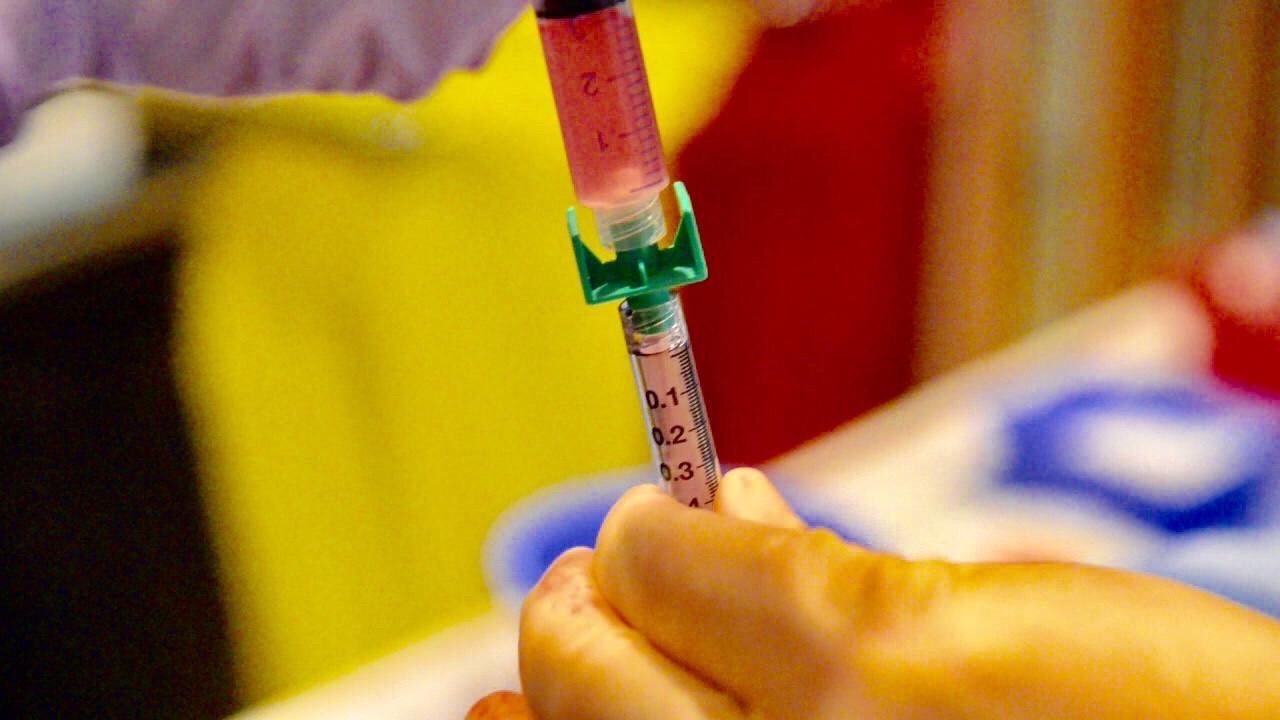
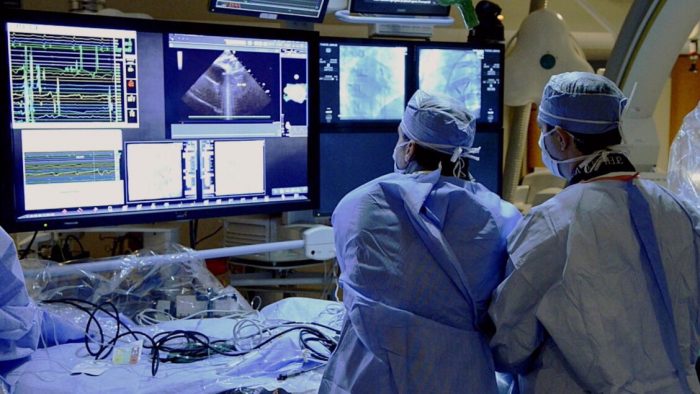
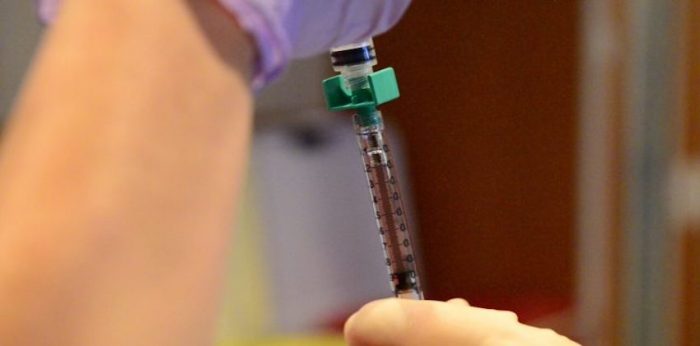
Stem cells can be injected into the veins, arteries, or directly into the heart muscle. After over 400 injections done safely using direct injection of stem cells from inside the chamber of the heart, the investigators at the Stem Cell Center now perform countless procedures for people all over the world.

In peripheral vascular disease, stem cells may be injected into the veins, arteries, or directly into the lower leg muscles in hopes of regenerating new blood vessels.


Member:
Member of the Cardiovascular Cell Therapy Research Network
We are a network of physicians, scientists, and support staff dedicated to studying stem cell therapy for treating heart disease.  The goals of the Network are to complete research studies that will potentially lead to more effective treatments for patients with cardiovascular disease, and to share knowledge quickly with the healthcare community.

Updated March 2013

Top  
Like us on Facebook Follow us on Twitter Subscribe to us on YouTube Find Us on Flicikr Follow Us on Pinterest Add us on Google+

Please contact our Webmaster with questions or comments.
Terms of Use and Privacy Policy
© Copyright 1996-2013 Texas Heart Institute.
All rights reserved.
This website is accredited by Health On the Net Foundation. Click to verify. U.S. NEWS America's Best Hospitals 2012-13